

Health monitoring devices have quietly become part of everyday life. What once felt like niche fitness gear is now used by millions of people who want a clearer picture of how their bodies are doing—day to day, not just during workouts. From tracking sleep and heart health to spotting patterns in energy, stress, and recovery, these devices turn small signals into useful insight.
As the technology improves, wearables are moving beyond step counts and calories burned. Today’s leading devices offer a more complete view of personal health, helping users make informed choices, notice changes early, and build healthier routines over time. In this article, we take a closer look at three popular health monitoring devices—the Hume Health Band, Oura Ring, and Apple Watch—and explore how each one approaches wellness in a different way.
Hume Health Band
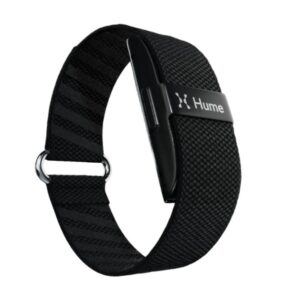

The Hume Health Band is designed for people who want to understand what’s happening inside their bodies, not just how many steps they take in a day. Instead of focusing heavily on workouts or notifications, Hume puts its attention on metabolic health and body composition, offering a more clinical, data-driven approach to wellness.
What sets the Hume Health Band apart is how it works alongside Hume’s smart scale and app. Together, they provide insights into metrics like body fat percentage, muscle mass, and metabolic trends over time. Rather than presenting the data as isolated numbers, the platform emphasizes patterns—helping users see how sleep, nutrition, and daily habits may be influencing their overall health.
The band itself is lightweight and unobtrusive, making it easy to wear throughout the day and night. This encourages consistent tracking, which is where Hume really shines. Over time, the data becomes more meaningful, giving users a clearer picture of progress and areas that may need attention.
The Hume app presents information in a clean, easy-to-understand format without overwhelming the user. While it may not offer the extensive fitness features or smartwatch capabilities found in devices like the Apple Watch, that simplicity is intentional. Hume is best suited for users who are less interested in constant alerts and more focused on long-term health insights.
Overall, the Hume Health Band is a strong option for individuals looking to take a deeper, more thoughtful approach to health monitoring—especially those interested in metabolic wellness, body composition, and sustainable lifestyle improvements rather than day-to-day fitness stats.
Oura Ring
The Oura Ring takes a different approach to health monitoring by focusing on what happens when the body is at rest. Designed to be worn around the clock, it prioritizes sleep, recovery, and overall readiness rather than workouts or on-screen interaction. Its slim ring design makes it easy to forget you’re wearing it, which is part of its appeal.
Oura is best known for its sleep tracking, offering detailed breakdowns of sleep stages, duration, and consistency. It also tracks resting heart rate, heart rate variability (HRV), and body temperature trends, using this data to generate daily scores that reflect sleep quality, recovery, and readiness. These scores help users understand when to push harder and when it may be better to slow down.
The companion app presents insights in a clear, approachable way. Instead of overwhelming users with raw data, Oura connects the dots, highlighting trends and offering gentle guidance based on what it observes. Over time, this makes it easier to spot patterns related to stress, illness, travel, or changes in routine.
Because the Oura Ring lacks a screen and does not deliver constant notifications, it feels less intrusive than many wearables. This makes it especially appealing to users who want meaningful health insights without the distraction of a smartwatch. That said, it’s not designed to replace a full fitness tracker for intense training or real-time workout feedback.
Overall, the Oura Ring is a strong choice for people who care deeply about sleep, recovery, and long-term wellness. Its strength lies in helping users listen to their bodies and make more informed decisions about rest, balance, and daily habits.
Apple Watch
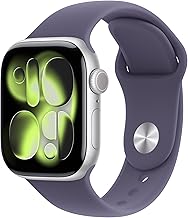
The Apple Watch is one of the most well-known health monitoring devices on the market, and for good reason. It combines robust health tracking with the convenience of a full-featured smartwatch, making it a versatile option for users who want both wellness insights and everyday functionality in a single device.
From a health standpoint, the Apple Watch offers a wide range of features. It tracks heart rate throughout the day, supports ECG readings, monitors blood oxygen levels, and can send alerts for irregular heart rhythms. Built-in safety features like fall detection and emergency SOS add another layer of reassurance, especially for older users or those with active lifestyles.
On the fitness side, the Apple Watch excels. It supports a wide variety of workouts, provides real-time metrics, and integrates seamlessly with Apple Fitness and third-party apps. The Activity Rings system encourages consistent movement throughout the day, helping users stay mindful of their activity levels without feeling overly rigid.
What truly sets the Apple Watch apart is its integration with the Apple ecosystem. Notifications, calls, messages, and apps are easily accessible from the wrist, making it as much a productivity tool as a health device. While this level of connectivity can be a positive, it may feel distracting for users who prefer a more low-key, wellness-only experience.
Overall, the Apple Watch is a strong all-around option for those who want comprehensive health monitoring alongside smart features. It’s best suited for users who value versatility, real-time feedback, and seamless integration with their digital life.
Wrapping it Up
Health monitoring devices are no longer one-size-fits-all, and that’s clear when comparing the Hume Health Band, Oura Ring, and Apple Watch. Each takes a distinct approach to wellness, serving different needs and lifestyles. Whether it’s Hume’s focus on metabolic health and long-term trends, Oura’s strength in sleep and recovery insights, or the Apple Watch’s all-in-one blend of health tracking and smart features, each device offers meaningful value in its own way.
Ultimately, the right choice comes down to what you want from your health data. Some users may prefer a quieter, more reflective view of wellness, while others benefit from real-time feedback and daily motivation. As wearable technology continues to evolve, devices like these empower individuals to better understand their bodies—and use that knowledge to make smarter, healthier decisions over time.
Zoppler is reader supported and may earn affiliate commissions from links on this page. We support and believe in all the products and services we promote and are affiliated with.